Tactical Imposters: Inverting the Hierarchy of American Airpower in Vietnam
Joel Mathews
Ph.D Candidate, Department of History
University of Wisconsin—Madison
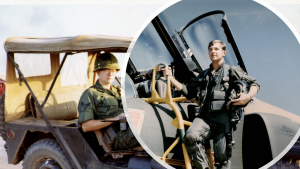
The means and ways societies wage war are a constantly evolving process, especially as it relates to time and a particular conflict’s character. These “market changes” challenge military thinkers to adapt and reshape their approach in an effort to gain an edge. This talk, focused on American airpower in Vietnam, illustrates an in-depth operational analysis of how the United States Air Force adapted over time to challenge North Vietnam’s effort to unite with the South under a banner of communism. This talk also focuses on the development of collaborative systems with the US Army, in contrast to better-known campaigns like “Rolling Thunder,” which were conducted almost exclusively by one military service. In doing so, it opens the aperture to examine how specific tactical changes on the ground and the challenging terrain tested a service that also possessed air superiority and technological dominance. This reexamination reveals subaltern surprises in how manpower organization evolved over time, relying more on younger, less qualified airmen to fight America’s longest war.